Mobile homes are designed to provide comfortable, affordable housing, but like any structure, they require proper maintenance over time. One of the most common structural issues homeowners face is foundation shifting, which often leads to the need for mobile homes re levelling.
Ignoring early warning signs can result in structural damage, plumbing issues, and expensive repairs. Understanding these warning signs and knowing what they mean can help homeowners act quickly and protect their investment.
Professional contractors such as JFM Construction LLC – Mobile Home Re-Levellingspecialize in identifying foundation problems and restoring mobile homes to proper alignment. Early intervention ensures safety, comfort, and long-term structural stability.
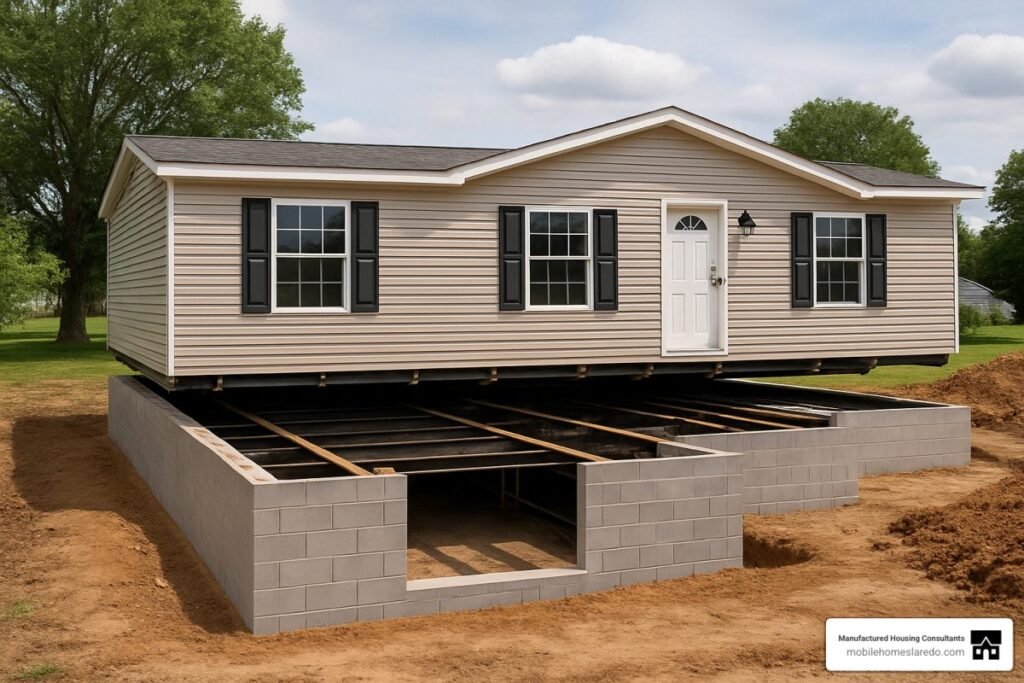
Why Mobile Homes Need Re Levelling
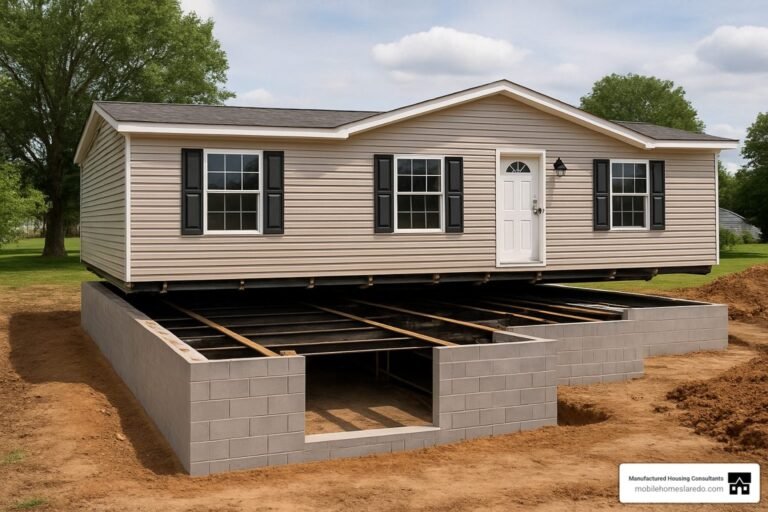
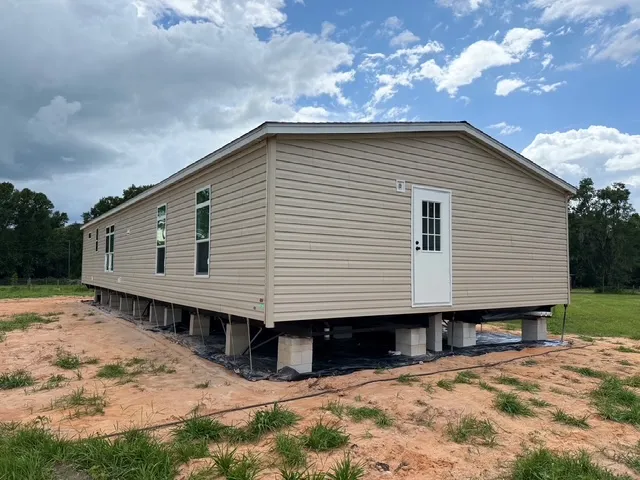
Unlike traditional houses built on permanent foundations, mobile homes are typically installed on pier and beam systems, blocks, or adjustable jacks. Over time, several factors can cause the structure to shift.
Common causes include:
- Soil movement or erosion
- Heavy rainfall or flooding
- Improper initial installation
- Temperature changes causing ground expansion and contraction
- Natural settling of the home
When these issues occur, the home becomes unbalanced, which is why mobile home re leveling services become necessary to restore the structure.
Regular inspections can prevent small issues from turning into serious structural problems.
Warning Sign #1: Doors and Windows That Stick
One of the earliest indicators that mobile homes re levelling may be required is when doors and windows start sticking or becoming difficult to open.
What This Means
When a mobile home becomes uneven, the frame of the structure shifts slightly. This causes door frames and window frames to become misaligned.
You may notice:
- Doors that rub against the floor
- Windows that refuse to slide properly
- Doors that swing open or closed on their own
These symptoms often indicate the home is leaning slightly to one side and should be inspected by a professional.
Warning Sign #2: Cracks in Walls or Ceilings
Cracks in drywall or ceiling panels are another common sign of foundation issues.
What This Means
As the home shifts, pressure builds in certain areas of the structure. This pressure causes drywall to crack, especially around:
- Door frames
- Windows
- Ceiling joints
- Interior wall seams
Small cracks may appear harmless, but they are often early signals that the mobile home foundation leveling system is no longer balanced.
If these cracks continue to grow, the structural integrity of the home may be affected.
Warning Sign #3: Uneven or Sloping Floors
If you feel like you’re walking downhill inside your home, it’s a clear sign that the structure may no longer be level.
What This Means
Uneven floors occur when support blocks or piers shift due to soil movement or weight distribution changes.
Signs include:
- Floors that slope to one side
- Furniture that appears tilted
- Objects rolling across the floor
- A “bouncy” feeling when walking
These issues often indicate that the mobile home leveling jacks or support system need adjustment.
Professional mobile home re-leveling services can restore the structure and stabilize the floor.
Warning Sign #4: Gaps Around Doors, Windows, or Walls
Visible gaps around doors or windows are another important indicator.
What This Means
When a mobile home becomes unbalanced, the walls slightly separate from other structural components. This creates noticeable gaps.
Common areas where gaps appear:
- Between walls and ceiling panels
- Around window frames
- Between exterior siding panels
These gaps allow air, moisture, and pests to enter the home, which can lead to additional problems.
Timely mobile homes re-levelling helps close these gaps and restore the structure.
Warning Sign #5: Plumbing Problems
Surprisingly, plumbing issues can also indicate a leveling problem.
What This Means
Mobile homes rely on flexible plumbing systems, but when the structure shifts too much, pipes may become misaligned.
You might notice:
- Slow draining sinks
- Leaks appearing unexpectedly
- Pipes making unusual noises
- Toilets becoming unstable
These issues often occur because the home’s frame has shifted enough to strain the plumbing system.
Leveling the home usually resolves these problems before pipes suffer permanent damage.
Warning Sign #6: Roof or Exterior Damage
Sometimes the effects of an uneven mobile home appear outside rather than inside.
What This Means
When the structure becomes unbalanced, stress spreads across the entire frame of the home.
This can cause:
- Roof seams to separate
- Exterior panels to warp
- Siding to loosen
- Gutters to pull away from the home
These issues are not always caused by weather alone — structural imbalance often plays a role.
A professional inspection for mobile home foundation repair and leveling can determine the root cause.
Why You Should Not Delay Re Levelling
Delaying mobile homes re-levelling can cause minor issues to turn into major structural problems.
Potential consequences include:
- Permanent frame damage
- Broken plumbing lines
- Roof leaks
- Interior wall damage
- Increased repair costs
The longer the home remains unbalanced, the more strain is placed on its components.
Addressing the issue early helps protect both the safety of residents and the value of the property.
How Professional Mobile Home Re Levelling Works
Professional contractors follow a structured process to restore balance to the home.
Typical steps include:
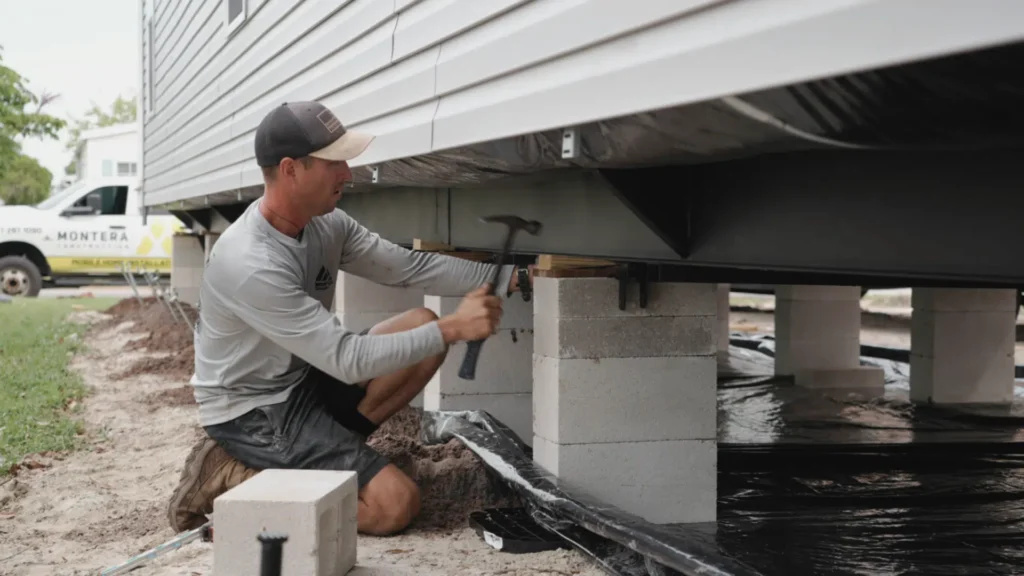
- Inspection of the foundation and support system
- Measurement of floor elevation using leveling tools
- Adjustment of support piers or jacks
- Reinforcement of the foundation if needed
- Final inspection to confirm proper alignment
Experienced specialists like JFM Construction LLC – Mobile Home Re-Levellinguse professional equipment to ensure the home is properly balanced and stable.
This process improves the home’s safety, comfort, and structural durability.
How Often Mobile Homes Should Be Re Levelled
Experts typically recommend inspecting mobile homes for leveling issues every 3–5 years. However, homes located in areas with:
- Expansive soil
- Heavy rainfall
- Flood zones
- Extreme temperature changes
may require inspections more frequently.
Routine maintenance helps detect issues early before costly repairs become necessary.
Preventing Future Leveling Problems
While some ground movement is unavoidable, homeowners can take steps to reduce the risk of foundation shifting.
Helpful tips include:
- Maintain proper drainage around the home
- Keep gutters clean and functional
- Avoid planting large trees near the foundation
- Monitor for early warning signs
- Schedule professional inspections regularly
Preventive care can extend the life of the home and reduce the likelihood of major repairs.
Final Thoughts
Recognizing the warning signs early is the best way to prevent costly damage and maintain a safe living environment. Issues such as sticking doors, sloping floors, wall cracks, and plumbing problems often indicate that mobile homes re levelling is needed.
Addressing these issues promptly restores structural stability and protects the long-term value of the home. Professional contractors like JFM Construction LLC – Mobile Home Re-Levellinghave the experience and equipment necessary to diagnose problems and perform accurate leveling.
By understanding these warning signs and taking action early, homeowners can ensure their mobile homes remain comfortable, secure, and structurally sound for many years.
Frequently Asked Questions
1. How do I know if my mobile home needs re levelling?
Common signs include sticking doors, uneven floors, cracks in walls, and gaps around windows or doors.
2. How often should mobile homes be re levelled?
Most homes should be inspected every 3–5 years, but homes in unstable soil areas may need more frequent checks.
3. Can I level a mobile home myself?
While minor adjustments may be possible, professional mobile home leveling services are recommended to ensure safety and accuracy.
4. What causes mobile homes to become unlevel?
Soil movement, heavy rainfall, poor installation, and natural settling are common causes.
5. How long does mobile home re leveling take?
Most professional re-leveling projects can be completed within a few hours to a full day depending on the severity.
6. Does insurance cover mobile home leveling?
Coverage depends on the cause of the issue and the homeowner’s insurance policy.
7. Is re levelling expensive?
Costs vary depending on the condition of the foundation, but addressing the issue early usually prevents higher repair costs later.
8. Can leveling fix cracks in walls or ceilings?
Yes, leveling often resolves structural pressure that causes cracks, although cosmetic repairs may still be needed.